


How grassroots movements are shaping a sustainable future—and how you can be a part of it.
In today’s world, facing pressing environmental challenges can often leave us feeling overwhelmed and questioning whether individual actions truly make a difference. Yet, all around us, local projects are igniting change, proving that grassroots efforts can ripple out to create a significant global impact. From community gardens to neighborhood clean-ups, ordinary people are coming together to address environmental issues right in their backyards. Let’s explore how these local initiatives are making a world of difference—and how you can join the movement.
The adage “think global, act local” emphasizes that while we need to consider global problems, solutions often start at the community level. Local projects allow communities to address specific needs unique to their area. They enable quick implementation of solutions without the bureaucracy that often bogs down larger organizations. Moreover, these initiatives foster community engagement by bringing people together, strengthening social bonds, and cultivating a collective sense of responsibility.
Local projects matter not only for their immediate benefits but also for their potential to inspire broader change. Successful initiatives can serve as models for other communities, demonstrating effective strategies that can be replicated elsewhere. They can influence policymakers by showcasing tangible results, encouraging the adoption of supportive legislation. Furthermore, grassroots movements have the power to shift cultural attitudes and behaviors, leading to societal changes that contribute to environmental sustainability.
One inspiring example is the transformation of vacant lots into community gardens and urban farms. Initiatives like The Green Thumb Initiative in Brooklyn have turned abandoned spaces into thriving gardens. These projects provide access to fresh, organic produce, reducing food miles and carbon emissions. They also educate residents about sustainable agriculture, fostering a deeper connection with the environment and promoting healthier eating habits.
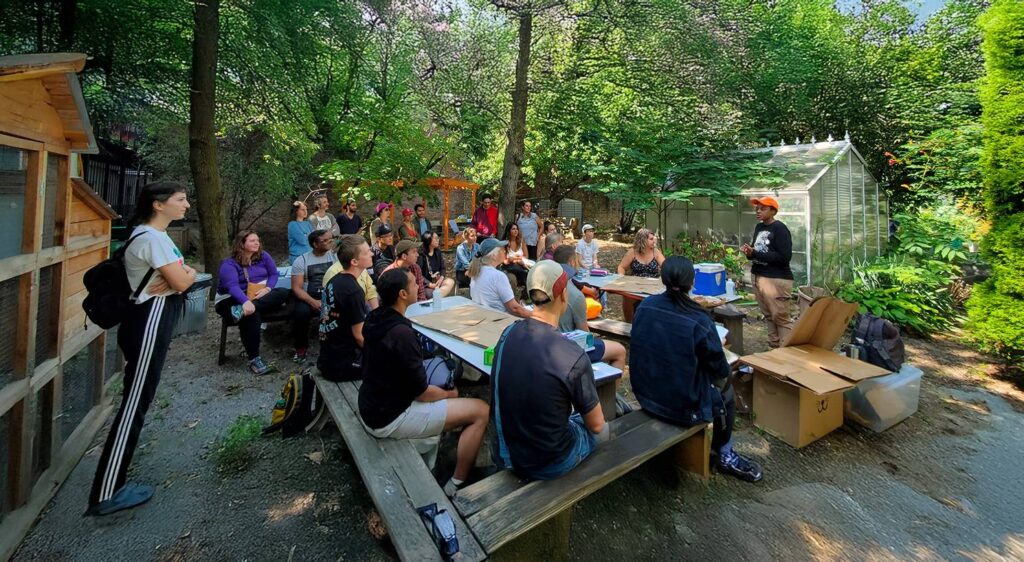
Neighborhood clean-up drives are another impactful endeavor. Organizing regular litter pick-ups and recycling events keeps local environments clean and safe. Such efforts prevent pollution from entering waterways and raise awareness about waste management. For instance, Clean Up Australia Day mobilizes hundreds of thousands annually to tidy their neighborhoods, significantly reducing national litter levels and promoting community pride.
Communities are also harnessing sustainable power through renewable energy cooperatives. By investing in shared renewable energy installations like solar panels or wind turbines, neighborhoods reduce reliance on fossil fuels and lower energy costs for participants. Projects like Middlesex Community Solar in Vermont allow residents to co-own solar arrays, supplying clean energy to the local grid and demonstrating the feasibility of renewable energy on a communal scale.
Local recycling and upcycling programs are transforming waste into valuable resources. Establishing facilities or workshops that recycle or repurpose materials diverts waste from landfills, creates jobs, and supports the local economy. The Bristol Wood Recycling Project in the UK, for example, collects waste wood and repurposes it, providing affordable materials and reducing deforestation, all while encouraging a circular economy mindset.
Environmental education workshops empower communities through knowledge. Offering classes and seminars on topics like composting, energy conservation, and sustainable living builds an informed community. These educational efforts encourage eco-friendly practices at home and work, inspiring the next generation of environmental stewards. Programs like Eco-Schools worldwide integrate sustainability into school curricula, fostering environmental responsibility among students and embedding sustainable values from a young age.
Getting involved in these initiatives is more accessible than you might think. Start by joining existing projects in your area. Many initiatives welcome volunteers and need hands-on help. Offering your skills—whether it’s organizing events, marketing, or fundraising—can be invaluable. By attending meetings, contributing ideas, and engaging with fellow community members, you become an active participant in driving change.
If you don’t find a project that resonates with you, consider starting your own initiative. Identify environmental issues that affect your community and build a team by rallying friends, neighbors, and local organizations. Setting achievable goals is key; starting small ensures early success and helps build momentum for larger projects down the line.
Supporting local businesses is another impactful way to contribute. Choose vendors who prioritize eco-friendly practices and spread the word about businesses making a positive impact. Encourage collaborations between local enterprises and environmental initiatives to amplify their reach and effectiveness.
Advocacy and education play crucial roles in fostering a sustainable community. Raise awareness by sharing information on social media, blogs, or community boards. Engage with local leaders by attending town hall meetings and voicing your support for sustainable policies. Hosting workshops or informal gatherings to discuss environmental topics can educate others and inspire them to take action.
Every local project contributes to a larger environmental movement. The cumulative effect of countless small actions adds up to significant change on a global scale. Local groups often connect, sharing resources and strategies, building networks that strengthen the impact of individual initiatives. Success stories from grassroots movements can influence national and international policies, demonstrating effective solutions and encouraging broader adoption.
By participating in local projects, you’re not just making a difference in your immediate surroundings; you’re part of a global effort to promote sustainability and environmental stewardship. Your actions can inspire others, leading to a ripple effect that extends far beyond your community.
Getting involved in local environmental projects is a powerful way to contribute to global sustainability efforts. These initiatives address immediate community needs and inspire broader change by demonstrating what’s possible when people come together with a shared purpose. By taking action locally, you become part of a global movement towards a more sustainable and equitable world.
At Ecotlas, we’re passionate about supporting your journey toward a sustainable lifestyle. Our curated selection of eco-friendly products empowers you to make environmentally responsible choices every day. Whether you’re gearing up for a community project or looking to make greener choices at home, we’re here to help.
Ready to make a global impact through local action?
Explore sustainable products at Ecotlas.com.

Get the latest tips, product recommendations, and eco-friendly lifestyle inspiration straight to your inbox. Join our community and take the next step in your journey toward a greener future.

We noticed you're visiting from Italy. We've updated our prices to Euro for your shopping convenience. Use United States (US) dollar instead. Dismiss