

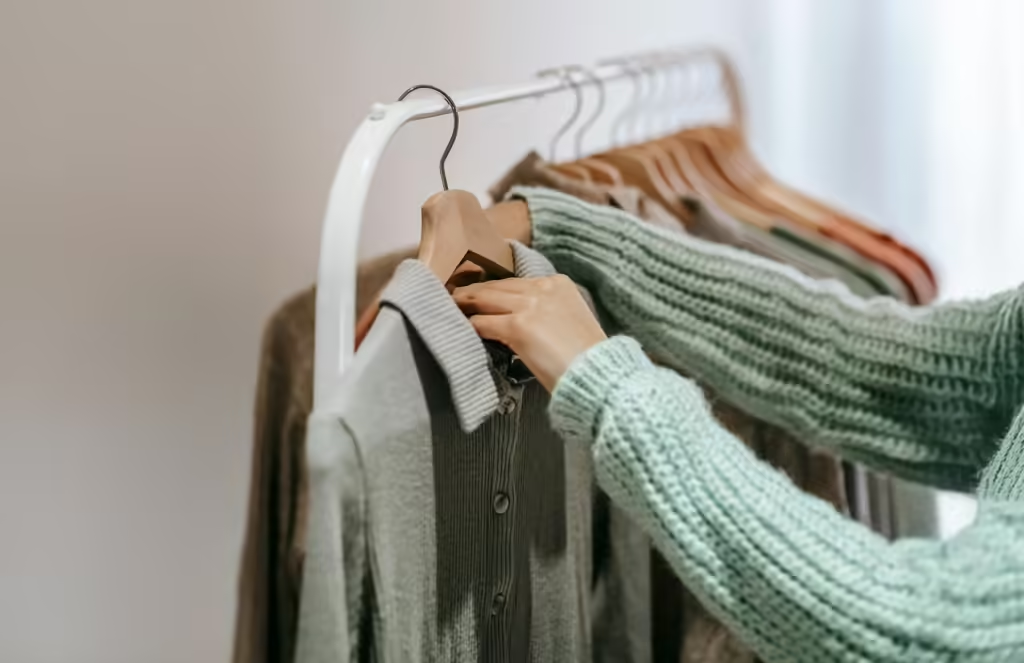
Learn how to enjoy the latest trends while making environmentally conscious choices for a sustainable wardrobe.
Fashion is a way to express your personality, creativity, and even your mood. But behind the glamour of new trends, the fashion industry has a significant environmental impact. The good news is that it’s possible to enjoy the art of fashion without compromising the planet. Sustainable fashion is about making mindful choices—buying less, choosing better, and supporting ethical brands. Here’s how you can embrace fashion and stay on-trend without harming the environment.
The cornerstone of sustainable fashion is simply buying less. While it can be tempting to keep up with every new trend, it’s more impactful to invest in high-quality pieces that are versatile and durable. Look for timeless items that reflect your style and will stay with you through multiple seasons.
Discover timeless, high-quality sustainable pieces here.
Second-hand shopping is one of the best ways to reduce the environmental impact of your wardrobe. Buying thrift or vintage helps reduce the demand for new production, which typically involves significant resource use.
For more ideas on reducing waste at home, consider adopting eco-friendly household swaps
Many brands today are increasingly committed to sustainable practices. For instance, they use eco-friendly materials, and, in addition, they ensure fair wages for their workers.
Look for Certifications: Furthermore, certifications like Fair Trade, GOTS (Global Organic Textile Standard), or B Corp can guide you in identifying genuinely sustainable brands.
Research Brands: Moreover, it’s helpful to do a bit of research into the companies you support. Typically, brands that prioritize ethical production openly share detailed information about their sustainability efforts.
The fabric used in clothing has a huge impact on its sustainability. Opt for materials that have a smaller environmental footprint, such as organic cotton, linen, bamboo, hemp, or recycled fibers.
Proper care can extend the life of your clothes, reducing the need for replacements and minimizing your environmental impact.
Clothing swaps and rentals offer ways to refresh your wardrobe without buying new.
Sustainable fashion isn’t just about clothing—accessories are equally important. In fact, jewelry, bags, and shoes can also make a significant difference when chosen sustainably.
Choose Durable Shoes and Bags: For example, look for well-crafted pieces made from eco-friendly or recycled materials. Not only are they more sustainable, but they are also likely to last longer.
Ethical Jewelry: Additionally, support brands that use recycled metals or fair-mined stones. This way, you ensure that your accessories are not only stylish but also responsibly made.
Building a sustainable wardrobe is one part of creating an eco-conscious lifestyle. To further reduce your environmental footprint, read our articles about eco-friendly products.
Ready to explore more sustainable fashion options?
Check out our Eco-Friendly Fashion and Accessories category to make your wardrobe both stylish and environmentally friendly.

Get the latest tips, product recommendations, and eco-friendly lifestyle inspiration straight to your inbox. Join our community and take the next step in your journey toward a greener future.